
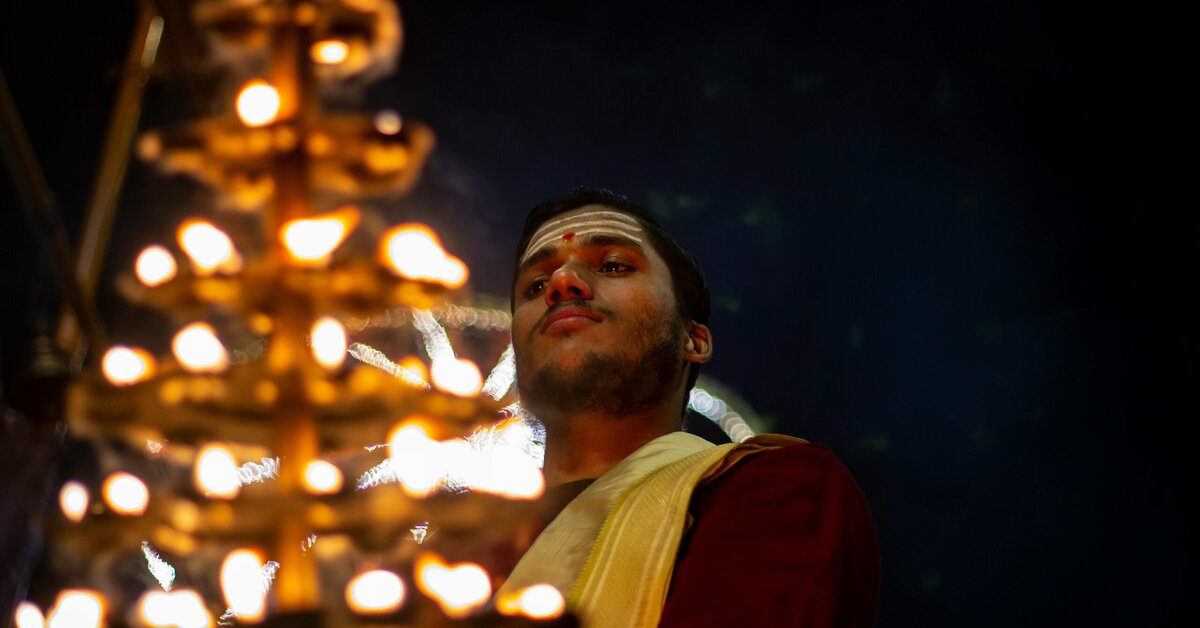
Varanasi Ghats Tour Package Scenic Views , Have you ever imagined standing at the edge of a civilization that has pulsed with life continuously for over 3,000 years? That’s precisely what you experience when you set foot on the ghats of Varanasi. These ancient stone steps descending into the sacred Ganges River aren’t just architectural features—they’re the very heartbeat of what Mark Twain called “older than history, older than tradition, older even than legend.”
Varanasi, also known as Kashi or Benares, represents one of the world’s oldest living cities, and its ghats form the spiritual backbone of this extraordinary place. Stretching along the western bank of the Ganges for roughly seven kilometers, these stepped embankments witness an endless cycle of birth, death, devotion, and daily life that creates a spectacle unlike anything else on Earth.
Choosing the right ghat tour package transforms your Varanasi visit from simple sightseeing into a profound journey through layers of Hindu culture, spirituality, and human existence. Whether you’re drawn by photography, spirituality, cultural curiosity, or pure wanderlust, the ghats offer scenic views that extend far beyond mere visual beauty—they provide windows into the soul of India itself.

Understanding Varanasi’s Ghat System
What Exactly Are Ghats?
If you’re unfamiliar with Indian culture, the word “ghat” might seem mysterious. Simply put, a ghat is a series of steps leading down to a body of water, particularly a river. In Varanasi, these aren’t just functional structures—they’re sacred spaces where the physical and spiritual worlds intersect.
Think of the ghats as Varanasi’s riverfront neighborhoods, each with distinct character and purpose. Some serve primarily for bathing rituals, where pilgrims immerse themselves in the Ganges to wash away sins and karma. Others function as cremation grounds where Hindus achieve their final liberation. Still others have become social gathering spaces where locals practice yoga, play cricket, fly kites, or simply watch the river flow by.
The genius of the ghat system lies in its democratization of access. Rich and poor, Brahmin and Dalit, tourist and pilgrim—everyone shares these public spaces on relatively equal terms. The river doesn’t discriminate, and neither do the ghats that embrace it.
The Historical Evolution of Varanasi Ghats
The ghats you see today represent centuries of construction, destruction, and reconstruction. While the riverbank has been sacred for millennia, most current stone ghats date from the 18th and 19th centuries when various maharajas, wealthy merchants, and devotees funded their construction as acts of religious merit.
Many ghats were built or rebuilt by royal families from across India, which explains their architectural diversity. The Marathas, particularly the Holkar and Scindia dynasties, contributed significantly. North Indian rulers added their architectural stamp. Even the British colonial period influenced some ghat development, though British administrators often misunderstood the spaces’ spiritual significance.
Understanding this history enriches your tour experience. When you visit Ahilyabai Ghat, you’re standing on steps commissioned by one of India’s most capable female rulers. At Darbhanga Ghat, you witness the architectural patronage of Bihar’s royalty. Each ghat tells stories of devotion, politics, power, and faith stretching back through centuries.
Types of Ghat Tour Packages Available
Sunrise Boat Tours
The sunrise boat tour represents the quintessential Varanasi experience—the one image everyone associates with the city. These packages typically begin around 5:30-6:00 AM when the eastern sky begins to lighten, and you’ll find yourself on a wooden boat gently floating past the ghats as the city awakens.
What makes sunrise tours magical? The combination of soft golden light, morning mist rising from the river, temple bells ringing, devotional chants drifting across the water, and pilgrims taking their first holy dips creates an atmosphere that feels timeless. Photographers treasure this hour when the light paints everything in warm, ethereal tones.
Most sunrise packages last 1-2 hours and include a boatman who navigates while sharing basic information about major ghats. Some upgraded packages include knowledgeable guides who provide deeper cultural and historical context. You’ll drift past dozens of ghats, witnessing morning rituals, yoga practitioners, and the gradual awakening of one of Earth’s most ancient cities.
Evening Aarti Experiences
If you can only choose one ghat experience, the evening Ganga Aarti at Dashashwamedh Ghat competes fiercely with the sunrise boat tour. These packages focus on the spectacular evening worship ceremony held daily at sunset, when priests perform synchronized rituals with fire lamps, bells, incense, and conch shells.
Evening aarti packages typically include boat positioning that gives you optimal views of the ceremony from the river. Watching from the water offers perspective impossible to achieve from the crowded ghat itself. As darkness falls and oil lamps multiply across the ghats, reflecting off the river’s surface, you witness a scene that’s remained essentially unchanged for centuries.
Many evening packages combine the aarti with a pre-ceremony boat ride, giving you sunset views along the ghats before positioning for the main event. Some include dinner at riverfront restaurants, creating a complete evening experience that engages all your senses.
Full-Day Comprehensive Packages
For visitors wanting thorough exploration, full-day packages combine multiple experiences into comprehensive itineraries. These typically include sunrise boat rides, guided walking tours of major ghats, visits to significant temples, lunch at local restaurants, and evening aarti attendance.
Full-day packages suit first-time visitors who want orientation and context. Your guide becomes an interpreter helping you understand complex rituals, navigate overwhelming crowds, and appreciate subtleties you’d miss exploring independently. You cover considerable ground while learning about Hindu cosmology, Varanasi’s history, and the cultural significance of various locations.
Customized Private Tours
Increasingly popular are customized private tours tailored to specific interests. Photography-focused tours position you at optimal locations during golden hour. Spiritual tours emphasize meditation spots and meetings with local sadhus. Architecture tours explore the diverse building styles of various ghats. Cultural immersion tours include interactions with local families, priests, and artisans.
Private tours cost more but offer flexibility impossible with group packages. You move at your own pace, spend extra time at locations that interest you, and skip things that don’t. For serious photographers, cultural enthusiasts, or those with specific spiritual interests, the investment often proves worthwhile.
The Most Famous Ghats to Visit
Dashashwamedh Ghat: The Heart of Varanasi
Dashashwamedh Ghat stands as Varanasi’s most famous and arguably most vibrant ghat. The name means “ten horse sacrifice,” referring to a legendary ritual performed by Lord Brahma. Located centrally and easily accessible, this ghat pulses with constant activity that never entirely stops.
During the day, Dashashwamedh functions as a major bathing ghat where pilgrims perform ritual ablutions, pandas (priests) conduct pujas under large umbrellas, vendors sell religious items, and tourists navigate through crowds clicking cameras. The sensory overload—sights, sounds, smells, colors—can overwhelm first-time visitors, but it represents authentic Varanasi in concentrated form.
The evening Ganga Aarti held here has become Varanasi’s signature spectacle. Seven young priests perform synchronized worship using massive brass lamps, creating a ceremony that’s part devotion, part performance art, and entirely mesmerizing. The spiritual sincerity underlying the increasingly touristed event still shines through if you look past the cameras and commercial aspects.
Assi Ghat: Where Spirituality Meets Serenity
Assi Ghat, located at the southern end of the ghat sequence where the Assi River meets the Ganges, offers a calmer alternative to Dashashwamedh’s intensity. This ghat attracts a different crowd—more spiritual seekers and long-term visitors than rushed tourists, more yoga practitioners than ceremonial bathers.
The morning scene at Assi includes yoga sessions, meditation circles, and philosophical discussions between Indian and Western seekers. Many foreigners studying yoga, philosophy, or music in Varanasi gravitate toward Assi for its relatively relaxed atmosphere and concentration of teachers and fellow students.
Assi also hosts a smaller, more intimate aarti ceremony each evening that lacks Dashashwamedh’s scale but offers greater accessibility and authentic devotional feeling. Many visitors prefer Assi’s aarti precisely because it feels less like a tourist performance and more like genuine worship that welcomes respectful observers.
Manikarnika Ghat: The Burning Ghat
Manikarnika Ghat confronts visitors with Varanasi’s most intense reality—death and cremation. As the city’s primary burning ghat, Manikarnika operates continuously, with funeral pyres burning 24 hours daily. For Hindus, cremation here offers moksha (liberation from the cycle of rebirth), making it the most auspicious place to die.
Visiting Manikarnika requires emotional preparation. You’ll witness bodies wrapped in cloth being carried to the ghat, cremation pyres burning, families grieving, and the Dom Raja’s workers managing the fires. The smoke, smell, and visual reality of human cremation affect visitors differently—some find it disturbing, others profoundly philosophical, many experience both simultaneously.
Understanding the Cremation Rituals
The cremation process follows ancient protocols. Bodies arrive carried on bamboo stretchers accompanied by male relatives chanting “Ram naam satya hai” (God’s name is truth). After brief river immersion, the body is placed on a pyre of wood. The eldest son circles the pyre and lights it, typically at the head. Cremation takes several hours, after which ashes are scattered in the Ganges.
Photography is strictly prohibited at Manikarnika out of respect for grieving families. “Guides” might offer to take you closer for a fee—decline these offers as they’re often scammers who create uncomfortable situations. View respectfully from appropriate distance, and remember you’re witnessing sacred, private grief, not a tourist attraction.
Hidden Gem Ghats Off the Tourist Trail
Scindia Ghat and Its Submerged Temple
Scindia Ghat showcases Varanasi’s dramatic history through a partially submerged Shiva temple that tilted into the river during construction in 1830. The temple’s visible portions create a surreal scene—carved stone architecture emerging from the water at an impossible angle, as if the river decided to claim it mid-construction.
This ghat was built by the Scindia dynasty of Gwalior and features impressive architecture less crowded than more famous ghats. Early morning visits reveal local life undisturbed by tourist masses—women washing clothes, children playing, sadhus meditating, and fishermen checking nets. The submerged temple provides a metaphor for Varanasi itself—ancient, enduring, partially hidden, constantly negotiating between preservation and transformation.
Tulsi Ghat: The Literary Connection
Tulsi Ghat honors the great poet-saint Tulsidas, who lived here while composing the Ramcharitmanas, the Hindi retelling of the Ramayana that’s arguably Indian literature’s most influential work. Literary pilgrims and lovers of Indian poetry make special trips to this relatively quiet ghat to pay respects to Tulsidas’s legacy.
The ghat lacks dramatic visual appeal compared to others, but its cultural significance runs deep. Sitting here reading passages from the Ramcharitmanas, particularly during early morning quiet, creates connections across centuries to one of Hinduism’s most beloved devotional poets. It’s the kind of experience serious cultural travelers treasure—subtle, intellectual, and deeply satisfying.
Panchganga Ghat: Where Five Rivers Meet
According to Hindu belief, five rivers—Ganges, Yamuna, Saraswati, Kirana, and Dhutpapa—converge at Panchganga Ghat, making it exceptionally sacred. While only the Ganges flows visibly, the spiritual significance attracts pilgrims who consider bathing here during certain auspicious times as particularly meritorious.
The large Bindu Madhav temple dominates the ghat, though the current structure was converted from a mosque that Mughal emperor Aurangzeb built after destroying the original temple. This complicated history represents Varanasi’s layered past, where different religious communities and rulers left marks that coexist in complex arrangements.
Panchganga sees fewer tourists than major ghats, allowing for more contemplative visits. During festival times, particularly during Kartik Purnima, thousands gather here for ceremonial bathing, transforming the normally quiet ghat into a sea of devotees.
Boat Ride Experiences Along the Ghats
Traditional Wooden Boat Tours
The traditional wooden rowing boats (called “nao” locally) offer the most authentic ghat viewing experience. Your boatman rows or poles along the river, moving slowly enough to absorb details—architectural features, devotional activities, the play of light on water, the constant motion of people ascending and descending the steps.
These boats accommodate 4-8 passengers comfortably, making them ideal for small groups or families. The slow pace suits photography, contemplation, and genuine observation. Without motor noise, you hear temple bells, devotional singing, splashing water, and boatman commentary, creating a sensory experience impossible from motorized vessels.
The physicality of traditional boats connects you to centuries of river travel. Your boatman likely learned his trade from his father, who learned from his father, in lineages stretching back generations. The boats themselves, though repaired and maintained, represent ancient designs perfected over centuries for Ganges navigation.
Motorized Boat Options
Motorized boats cover more distance faster, making them suitable for visitors with limited time or those wanting to see more ghats in a single journey. The tradeoff is noise, speed, and somewhat diminished intimacy with the riverside scenes passing by.
That said, motorized boats serve practical purposes. They easily navigate against current, quickly reach distant ghats, and provide covered seating that protects from sun or rain. For comprehensive tours covering the full seven-kilometer ghat stretch, motorized boats make logistical sense.
Best Times for Boat Rides
Early morning (5:30-8:00 AM) offers the most ethereal beauty—mist, golden light, and relative quiet. The river feels peaceful, and the light is perfect for photography. However, morning also means cooler temperatures (winter can be quite cold), and you’ll need to wake very early.
Evening rides (4:00-7:00 PM) provide different beauty—golden hour light transitions to twilight, lamps begin illuminating ghats, and the aarti ceremony creates spectacular visual drama. Evening temperatures are comfortable, and the energy feels celebratory rather than contemplative.
Midday rides (10:00 AM-3:00 PM) are the least popular—harsh light, intense heat, and less photogenic scenes. However, if you’re focused on observing daily life rather than capturing perfect images, midday reveals unromantic but authentic activities as locals go about regular business undistorted by tourist gaze or performance.
Sunrise at the Ghats: A Magical Experience
Why does every Varanasi guide emphasize sunrise? Because the combination of elements at dawn creates something genuinely transcendent. The Ganges faces east, meaning sunrise light illuminates the ghats directly, painting ancient stone in warm golds and pinks while the river reflects sky colors in constantly shifting patterns.
Morning mist, common during winter months, adds mysterious beauty. Ghats emerge gradually from white veils like apparitions, their full form revealing slowly as the sun burns through haze. This atmospheric quality creates photographs and memories with dreamlike quality that seems to compress time, making the ancient and contemporary coexist in single moments.
The spiritual dimension amplifies the visual beauty. Sunrise represents auspicious timing for Hindu rituals, so pilgrims crowd the ghats for morning ablutions. Watching hundreds of people immerse themselves in prayer and water, their devotion palpable and unself-conscious, provides profound insight into living faith. These aren’t performances for tourists—they’re genuine spiritual practices you’re privileged to witness.
Photography opportunities at sunrise are extraordinary. The soft, directional light reveals textures in stone, creates silhouettes, and adds depth through shadows. The river becomes a mirror reflecting sky colors. Boats glide past creating gentle wakes that pattern the water. Every photographer who visits Varanasi fills memory cards during this golden hour—and for good reason.
Evening Ganga Aarti: A Spiritual Spectacle
The Ceremony Explained
The Ganga Aarti represents thanksgiving worship offered to the river goddess Ganga. Seven priests dressed in saffron robes perform synchronized movements using five-tiered brass lamps (each lamp containing 108 wicks), brass bells, conch shells, incense, yak-tail whisks, and peacock feather fans—all while chanting mantras and devotional songs.
The ceremony follows specific choreography perfected over decades. Priests move in unison, raising lamps high, circling them in prescribed patterns, and creating visual rhythms that mesmerize observers. The large flames from dozens of wicks create dramatic lighting effects, especially as darkness deepens and the lamps become the primary light source.
Understanding the theology enriches your experience. The ritual honors the Ganges as a goddess who descended from heaven to Earth, bringing purification and salvation. Each element—fire, incense, water, sound—represents offerings of gratitude. The synchronization symbolizes unity of purpose, and the daily repetition demonstrates constant devotion unaffected by changes in the mundane world.
Best Viewing Positions
From the ghat itself, you’ll be squeezed in crowds several people deep, craning for views between hundreds of other observers. The energy is intense and the proximity to the ritual is immediate, but comfort and photography are nearly impossible. If you want to feel the press of humanity and immerse completely in crowd energy, ghat viewing delivers that experience.
From a boat on the river, you sacrifice some intimacy but gain perspective, comfort, and photographic opportunity. Positioned 20-30 meters from the ghat, you see the entire ceremony framed against the architectural backdrop of the ghat, with reflections doubling the visual impact on the water’s surface. Most tour packages position boats optimally before the ceremony begins.
Rooftop restaurants overlooking Dashashwamedh Ghat offer elevated views that reveal patterns invisible from ground level. You see the seven priests as geometric units creating mandala-like patterns, and the crowd itself becomes part of the spectacle. The tradeoff is distance from the ritual’s emotional and spiritual center—you’re observing rather than participating.
Walking Tours of the Ghats
Self-Guided vs. Guided Tours
Self-guided walking allows flexibility and personal pacing. You linger where moved, skip what doesn’t interest you, and experience serendipitous discoveries impossible on scheduled tours. The intimate warren of alleys (galis) behind the ghats rewards wandering—you’ll stumble upon hidden temples, family shrines, artisan workshops, and neighborhood scenes that guidebooks never mention.
However, self-guiding in Varanasi poses challenges. The layout is labyrinthine and confusing. Cultural contexts that explain what you’re witnessing remain opaque without interpretation. Scammers target obvious tourists navigating alone. You might inadvertently disrespect sacred spaces through ignorance of customs.
Guided tours provide context, protection, and efficiency. Your guide navigates confidently, explains rituals and architecture, shares historical and mythological stories, and runs interference with aggressive vendors. You see more, understand more, and avoid many frustrations that plague solo explorers. The cost is spontaneity and personal discovery.
The Ghat Walking Circuit
The main ghat walking circuit runs roughly seven kilometers from Assi Ghat in the south to Adi Keshava Ghat in the north, passing approximately 84 named ghats (the number is symbolically significant and somewhat flexible depending on counting methods). Walking the full length takes 3-4 hours at leisurely pace with stops.
Most visitors walk sections rather than the entire circuit. A popular route covers Assi Ghat to Dashashwamedh Ghat (about 4 kilometers, 1.5-2 hours), capturing significant ghats including Harish Chandra (another burning ghat), Kedar Ghat, Man Mandir Ghat (with its astronomical observatory), and numerous smaller ghats with distinct characters.
The walk itself alternates between wide ghat steps where walking is easy and narrow sections behind certain ghats where you navigate through tight passages. The experience constantly shifts—open river views give way to enclosed alleys, grand architecture contrasts with crumbling structures, moments of calm alternate with chaotic crowds. This variability makes ghat walking endlessly interesting.
What’s Included in Typical Tour Packages
Understanding what tour packages include helps you choose appropriately and avoid surprises. Most basic packages cover boat rental with boatman, but vary significantly beyond that fundamental element. Here’s what different package levels typically include:
Budget packages usually provide just the boat and boatman for the specified duration (typically 1-2 hours). You might get basic commentary from the boatman if he speaks English, but don’t expect detailed cultural or historical explanation. Transportation to/from the ghat isn’t included—you arrange that independently.
Mid-range packages add English-speaking guides who provide historical, cultural, and religious context. These guides explain rituals you’re witnessing, identify specific ghats and temples, share relevant mythology, and answer questions. Many include hotel pickup and drop-off in centralized Varanasi areas, eliminating navigation hassles.
Premium packages might include private boats rather than shared experiences, expert guides with deep knowledge (sometimes scholars or long-term residents), photography assistance for serious camera users, breakfast or dinner at quality restaurants, and extended itineraries that incorporate temple visits, walking tours, or other experiences beyond the basic boat ride.
Some specialized packages focus on specific interests—photography tours provide optimal timing and positioning for images, spiritual tours include meditation sessions or meetings with spiritual teachers, cultural immersion tours involve interactions with ghat workers, priests, and local families.
Photography Tours of the Ghats
Best Photo Spots
For capturing the ghats’ essence, certain locations consistently deliver exceptional images. The northern ghats (particularly around Panchganga and Man Mandir) offer architectural grandeur and often fewer crowds. The curve in the river near Dashashwamedh provides compositional opportunities where the ghat line sweeps gracefully through your frame.
From the water, rowing away from the ghats about 50-100 meters gives perspective showing the full height of the steps, the architectural variety of buildings rising behind them, and the relationship between river and city. This distance also allows you to include boats in the foreground, creating depth in your compositions.
Elevated positions behind the ghats reveal patterns invisible from ground level. If you can access rooftops (some restaurants and guesthouses allow this), you capture aerial perspectives showing the geometric patterns of steps, the colorful chaos of umbrellas and boats, and the human activity that animates the stones.
Respectful Photography Guidelines
The ethics of photography at the ghats require careful consideration. While ghats are public spaces, people using them aren’t performing for cameras—they’re bathing, praying, grieving, or going about daily life. Photographing them without permission commodifies their spiritual practice and privacy.
Ask permission before photographing individuals, especially in close-up or identifiable shots. A gesture toward your camera with questioning expression often communicates your request across language barriers. Many people consent willingly; respect those who decline. Never photograph at Manikarnika Ghat (the burning ghat) under any circumstances—it’s deeply offensive to photograph cremations and mourning families.
Wide shots capturing scenes and atmospheres raise fewer ethical issues than close-ups of identifiable individuals. Architectural photos present no problems. Being obvious with your camera rather than sneaky builds trust—people appreciate transparency about your intentions.
Consider that your images might perpetuate stereotypes or represent complex spiritual practices superficially. An image of an ash-covered sadhu, while visually striking, might reduce a serious spiritual practitioner to an exotic curiosity. Think about the stories your images tell and whether they respect their subjects’ dignity and context.
Seasonal Considerations for Ghat Tours
Winter Season (October-March)
Winter represents peak tourist season for Varanasi, and for good reason. Temperatures range from comfortable to cool (10-25°C), making extended outdoor activities pleasant. Morning mist creates atmospheric beauty, and clear winter light benefits photography. All festivals, ceremonies, and activities proceed normally without weather disruptions.
However, peak season means crowds. Dashashwamedh Ghat becomes packed during aarti. Boat bookings require advance arrangement. Prices increase compared to low season. The trade-off is optimal weather and full cultural programming—festivals, special ceremonies, and visiting teachers often concentrate during these months.
Early morning boat rides during winter require warm layers—the combination of water, wind, and pre-dawn darkness creates surprisingly cold conditions despite the daytime warmth. Bring shawls or jackets you can remove as the sun rises and temperatures increase.
Monsoon Season Challenges
Monsoon season (July-September) transforms Varanasi dramatically. Heavy rains raise the Ganges significantly—water submerges lower ghat steps and sometimes reaches the buildings behind them. Boat rides navigate higher, changing your viewing perspective. The swollen, muddy river flows fast and powerful, nothing like the relatively calm dry season Ganges.
Rain creates operational challenges. Sudden downpours interrupt boat trips and aarti ceremonies. Wet stones become dangerously slippery. Humidity approaches 100%, making everything feel damp. However, monsoon visits offer unique advantages: far fewer tourists, dramatically reduced prices, lush greenery, powerful river energy, and the authentic experience of seeing how locals adapt to seasonal extremes.
If you visit during monsoon, embrace flexibility. Build rain delays into your schedule, pack waterproof bags for electronics, and wear appropriate footwear with good grip. The photographic opportunities differ from dry season but are equally compelling—dramatic skies, rain-slicked stones, and the power of a monsoon-fed river create moody, atmospheric images.
Summer Visits
Summer (April-June) brings intense heat—temperatures often exceed 40°C, making midday outdoor activities physically challenging. Most tourists avoid summer, which creates opportunity for those who can tolerate the heat. Prices drop to annual lows, ghats are uncrowded, and you experience Varanasi at its most authentic as locals dominate spaces usually filled with visitors.
Schedule activities for early morning and evening when temperatures moderate. Midday is for air-conditioned rooms, museums, or other indoor activities. Hydration becomes critical—drink water constantly, more than you think necessary. Light, loose cotton clothing, sun protection, and frequent breaks in shade make summer visits manageable.
The summer Ganges flows lower and calmer than during monsoon, exposing more ghat steps and making walking easier. The harsh overhead sunlight isn’t ideal for photography, but dramatic sunrises and sunsets still provide excellent conditions.
Pricing and Booking Information
Budget Tour Options
Basic boat rides without guides start around ₹200-400 ($2.50-5 USD) per hour for the boat, split among passengers. A one-hour sunrise tour covering major central ghats costs approximately ₹300-500 per boat (not per person). These bare-bones options suit budget travelers willing to forgo interpretation and comfortable to navigate independently.
Walking tours with budget guides run ₹500-1,000 ($6-12 USD) for 2-3 hours, depending on negotiation skills and season. These guides provide basic information though English proficiency varies. Evening aarti boat positioning might cost ₹200-300 per person for a shared boat with basic viewing position.
Budget options require more effort—you arrange everything yourself, negotiate prices, and accept variable quality. Scammers target budget seekers, so develop healthy skepticism of deals that seem too cheap. Booking through your guesthouse often provides reliable budget options at fair prices.
Premium Package Features
Premium packages from established tour companies cost ₹2,000-5,000+ ($25-60+ USD) per person depending on inclusions and group size. These typically include private transportation, expert guides, sometimes meals, optimal boat positioning, and comprehensive itineraries combining multiple experiences.
What justifies premium pricing? Superior guides with deep knowledge and excellent English, reliable scheduling, appropriate boat positioning (crucial for aarti viewing), backup plans for weather issues, and seamless logistics that eliminate stress. Premium tours often include experiences difficult to arrange independently—meetings with scholars, access to private spaces, or specialized focus areas like architecture or spirituality.
For first-time visitors with limited time or those wanting comprehensive understanding without DIY hassle, premium packages offer excellent value despite higher costs. You see more, understand more, and avoid frustrations that consume time and energy.
Group Discounts and Special Offers
Most tour operators offer discounts for groups of 4+ people. Private tours become more affordable per person when costs split among multiple travelers. Families or friend groups traveling together should always inquire about group rates rather than accepting published prices.
Booking multiple tours with one operator often generates discounts. If you want both sunrise boat rides and evening aarti plus walking tours, bundling with one company might save 15-20% compared to booking separately. Ask about package deals when initially inquiring.
Low season (April-September) sees promotional pricing from many operators desperate for business during quiet months. If visiting during these periods, expect negotiable prices significantly below peak season rates. Even budget tours might be negotiated down 30-40% from stated prices.
Cultural Etiquette at the Ghats
Respecting cultural norms at the ghats ensures you’re a welcome visitor rather than an intrusive tourist. These spaces hold profound spiritual significance for Hindus—approaching them with sensitivity honors their sacred function while allowing you meaningful access.
Dress modestly—shoulders and knees covered for both men and women. This isn’t just about avoiding offense; it’s about signaling respect for sacred space. Remove shoes before stepping onto ghat stones if possible (many visitors keep shoes on given the area’s condition, but going barefoot demonstrates extra respect).
Ask permission before photographing people, especially during ritual activities. Never photograph at burning ghats. Observe cremations discreetly from appropriate distance if you choose to witness them at all. Remember these are funerals—behave with the solemnity you’d want at a family member’s cremation.
Avoid public displays of affection beyond hand-holding. Don’t point feet toward shrines, temples, or sacred objects. If invited to participate in rituals, follow your guide’s or host’s lead about appropriate behavior. Accept offered prasad (blessed food) respectfully, even if you don’t plan to eat it—refusal can offend.
Women should be aware that Manikarnika Ghat traditionally restricted female presence, though this is changing. If you’re a woman wanting to view cremations closely, you might encounter resistance. Decide whether insisting serves your legitimate interest or merely creates conflict over contested traditions.
Safety Tips for Ghat Visitors
Varanasi’s ghats are generally safe, but awareness of specific issues prevents problems. Crowds create opportunities for pickpockets—secure valuables in inside pockets or money belts. Don’t flash expensive jewelry, watches, or electronics unnecessarily. Be especially vigilant during crowded aarti ceremonies when everyone’s attention focuses forward.
The ghat steps can be treacherously slippery, especially when wet. Algae grows on submerged stones, and water makes everything slick. Walk carefully, use handrails where available, and wear shoes with good traction. Avoid running or distracted walking while texting or photographing—the uneven surfaces and sudden drop-offs to water create fall hazards.
In boats, wear life jackets if provided (many boats lack them, unfortunately). Don’t stand up suddenly or move around excessively—these narrow boats capsize easier than you’d expect. Children should be supervised constantly near water. The Ganges current, while not typically fast near the ghats, still poses drowning danger.
Be cautious with “guides” who approach unsolicited. Some are legitimate freelancers, but many are scammers who’ll lead you places you don’t want to go, demand inflated payments, or hand you off to aggressive shops. Pre-book guides through reputable companies, hotels, or established tour operators rather than accepting offers from touts.
Solo women travelers report generally feeling safe at the ghats, though unwanted attention sometimes occurs. Stay in public view, avoid isolated ghat sections during quiet hours, and trust your instincts if any situation feels uncomfortable. The presence of police and other tourists provides reasonable security in main ghat areas.
Combining Ghat Tours with Other Varanasi Experiences
While the ghats form Varanasi’s heart, the city offers many complementary experiences that create richer visits. The narrow alleys (galis) behind the ghats house countless small temples, many of them architecturally significant and spiritually important. The Kashi Vishwanath Temple, one of Hinduism’s most sacred Shiva temples, sits in the maze behind Dashashwamedh Ghat.
Markets near the ghats overflow with silk saris (Varanasi produces India’s finest silk), religious items, street food, and everyday goods. The frenetic market energy contrasts beautifully with the ghats’ more contemplative atmosphere. Thali Gali and Vishwanath Gali offer concentrated shopping and food experiences within walking distance of major ghats.
Classical music performances, particularly tabla and sitar concerts, happen regularly in Varanasi. Many performers have family lineages stretching back generations in these traditions. Evening concerts after ghat visits create culturally rich days combining visual, spiritual, and auditory beauty.
Sarnath, located 10 kilometers from Varanasi, marks the place where Buddha delivered his first sermon after enlightenment. Buddhist pilgrims typically include Sarnath in Varanasi visits, creating interfaith experiences that explore India’s spiritual diversity. The archaeological ruins, temples, and museum deserve half-day visits.
Conclusion
Varanasi’s ghats offer far more than scenic views—they provide portals into dimensions of human experience most of us rarely encounter. The intersection of life and death, devotion and daily routine, ancient and contemporary, sacred and mundane creates a complexity that no single visit fully captures. Yet even brief encounters with these extraordinary spaces leave lasting impressions.
Choosing the right tour package transforms your ghat experience from confused wandering into meaningful journey. Whether you opt for simple sunrise boat rides or comprehensive multi-day explorations, whether you prioritize photography or spirituality, cultural learning or simple observation, Varanasi’s ghats reward your attention with beauty, profundity, and memories that endure long after you’ve returned home.
The ghats teach lessons about impermanence—the river constantly flowing, the cremation fires continuously burning, the endless cycle of pilgrims arriving and departing. They also demonstrate continuity—rituals unchanged for millennia, faith passed through generations, stones worn smooth by countless feet but still serving their sacred purpose. Perhaps that’s their greatest gift: perspective on what truly matters in our brief human journeys.
Come to the ghats with open heart and respectful curiosity. Watch sunrise paint ancient stones in golden light. Witness devotion so pure it brings tears to your eyes. Marvel at the sheer complexity of life unfolding on these sacred steps. Let the Ganges work its magic—not through mystical power alone, but through the profound human stories playing out endlessly along its banks. The ghats await, ready to share their scenic views and so much more.
FAQs
1. What is the best time of day to visit Varanasi’s ghats?
Early morning (5:00-8:00 AM) offers the most magical experience with sunrise light, morning mist, and authentic ritual bathing. Evening (5:00-7:00 PM) provides different beauty with the dramatic Ganga Aarti ceremony and sunset colors. If you can only choose one time, sunrise boat rides and evening aarti ceremonies represent the two most essential ghat experiences.
2. How much should I budget for a ghat boat tour in Varanasi?
Basic boat tours cost ₹200-500 ($2.50-6 USD) per boat per hour for simple rowing boats without guides. Mid-range guided tours run ₹800-2,000 ($10-25 USD) per person including transportation and knowledgeable guides. Premium private tours with expert guides cost ₹2,000-5,000+ ($25-60+ USD) per person. Prices vary by season, group size, and negotiation.
3. Is it appropriate for tourists to witness cremations at Manikarnika Ghat?
Viewing from respectful distance is generally accepted—cremation at Manikarnika is public and visible from the river and surrounding areas. However, photography is strictly prohibited, approaching closely without invitation is disrespectful, and you should maintain appropriate solemnity. These are real funerals for grieving families, not tourist attractions. Many visitors choose to observe briefly from boats without landing at the ghat itself.
4. Can I swim or bathe in the Ganges at the ghats?
While Hindu pilgrims ritually bathe in the Ganges, tourists should avoid full immersion due to serious pollution concerns. The water contains high levels of bacteria and contaminants that can cause illness. If you wish to participate symbolically, consider touching the water or splashing small amounts rather than immersing your head or swallowing water. Some visitors dip their feet as a compromise between participation and health safety.
5. How many ghats should I visit during a typical Varanasi trip?
Rather than focusing on quantity, prioritize experiencing key ghats meaningfully. A typical visit might include Dashashwamedh (for aarti), Assi (for peaceful atmosphere), Manikarnika (to witness cremation traditions), and 2-3 others that interest you specifically. Boat rides naturally expose you to dozens of ghats from the water. Quality of experience matters more than checking off every named ghat—focus on understanding and absorbing what you witness rather than rushing through maximum numbers.



[…] the complete spiritual and cultural landscape of Varanasi through TripCosmos’s comprehensive ghat coverage boat ride with expert storytelling guide. This immersive journey takes you along the entire sacred […]